Tutorial, Esercizi, Podcast e Lezioni di Chitarra

poker sisal — vantaggi esclusivi | poker sisal

poker sisal — le domande più frequenti nel 2026

poker sisal apre le porte a un mondo di sfumature strategiche che i neofiti spesso sottovalutano. Nel 2026, l’equilibrio tra aggressività e prudenza è tutto, e poker sisal online si conferma come lo strumento per trovare quel punto di rottura che separa una vittoria di prestigio da una sconfitta amara.

Vedi anche:

Piattaforma Poker di poker sisal: Screenshot e Interfaccia
poker sisal

poker sisal online: cosa sono e come usarli

play money, also known as toy money or pretend currency, is a fascinating cultural artifact that serves multiple purposes across various domains, from childhood education to theatrical production, from board game mechanics to psychological experimentation. At its most fundamental level, play money is a tangible representation of value that exists outside the realm of legal tender, yet it carries immense significance in shaping human behavior, cognition, and social interaction. The concept of play money is not monolithic; it encompasses a diverse array of forms, including paper bills, plastic coins, digital credits, and even imaginary units in role-playing games. Each iteration of play money is designed to mimic the properties of real currency—denominations, colors, sizes, and even security features—but with deliberate distinctions that signal its non-legal status, such as the word ‘SPECIMEN’ printed across the face or the use of cartoonish imagery. The history of play money is as rich as it is overlooked, tracing back to ancient civilizations where children played with clay tokens and shells, to the mass-produced play money that accompanied the rise of board games in the early 20th century, to the sophisticated virtual currencies in modern video games and online simulations. One of the most prominent uses of play money is in early childhood education, where it serves as a pedagogical tool to teach numeracy, basic arithmetic, and the concept of exchange. In classrooms around the world, teachers distribute play money to students to simulate shopping scenarios, enabling children to practice addition and subtraction in a tangible, engaging manner. These activities not only reinforce mathematical skills but also introduce economic principles such as scarcity, budgeting, and the value of goods and services. For instance, a teacher might set up a mock store with priced items, and students must use their play money to make purchases, calculate change, and manage their remaining funds. This hands-on approach has been shown to improve financial literacy from a young age, laying the groundwork for responsible money management in adulthood. Beyond the classroom, play money is integral to the board game industry, where it functions as a game mechanic that drives competition and strategy. Monopoly, arguably the most famous board game in the world, uses play money in denominations ranging from $1 to $500, with each player starting with a set amount and earning more by passing ‘Go’ or collecting rent. The tactile sensation of handling play money, the sound of bills being counted, and the visual representation of wealth accumulation contribute to the immersive experience of the game. Moreover, the use of play money in games like Monopoly has been studied by economists and psychologists to understand negotiation tactics, risk tolerance, and the psychology of wealth. In role-playing games such as Dungeons & Dragons, play money takes on a more fantastical form, with gold pieces, silver pieces, and copper pieces serving as the primary currency within a fictional world. These currencies are not merely arbitrary numbers; they are tied to the game’s economy, influencing character progression, equipment acquisition, and even quest outcomes. The abstract nature of these currencies allows players to engage with complex economic systems without the constraints of real-world value, fostering creativity and strategic thinking. Another significant application of play money is in psychological and behavioral research, where it is used as a proxy for real money in experiments designed to study decision-making, risk aversion, and social preferences. In such studies, participants are often given a certain amount of play money and asked to make choices that have consequences within the experimental framework. The use of play money allows researchers to control variables and create controlled environments without the ethical and financial complications of using real currency. For example, in the ultimatum game, a participant is given a sum of play money and must propose a split with another participant, who can either accept or reject the offer. The decisions made in these games reveal insights into fairness, altruism, and strategic behavior. Furthermore, play money is a staple in theatrical and film productions, where it serves as a prop to create realistic scenes involving financial transactions. Props masters meticulously craft play money to look authentic on camera, using high-quality printing techniques and sometimes even incorporating subtle inaccuracies to avoid counterfeiting laws. The attention to detail in prop money is crucial, as audiences are quick to notice discrepancies that could break the illusion of a scene. In addition to these practical uses, play money has a symbolic and cultural significance that extends beyond its function. It represents the idea of value as a social construct, reminding us that money itself is a shared fiction that we collectively agree to believe in. The existence of play money highlights the arbitrary nature of currency and the importance of trust in economic systems. Philosophers and sociologists have pondered the implications of play money, suggesting that it reveals how humans are wired to assign value to objects and to engage in exchange, even in the absence of real economic stakes. The psychological impact of handling play money has also been studied, with research indicating that the mere act of counting play money can influence behavior, such as increasing feelings of self-sufficiency or reducing pain perception. Moreover, play money has evolved with technology, giving rise to digital currencies in online games and virtual worlds. In massively multiplayer online games like World of Warcraft, players earn gold coins by completing quests and defeating enemies, which can be used to purchase gear, mounts, and other virtual goods. These virtual economies are complex, with their own inflation rates, market dynamics, and even real-world trading, where players buy and sell virtual currency for actual money, sometimes in violation of game terms of service. The rise of cryptocurrencies like Bitcoin has also blurred the line between play money and real money, as these digital assets have real-world value but exist only in electronic form. The concept of play money has also been applied in corporate training and financial education programs, where employees or students engage in simulations that use play money to practice investment strategies, risk management, and financial planning without the fear of real losses. These simulations can be highly sophisticated, incorporating real market data and allowing participants to experience the volatility of stock markets or the complexities of portfolio diversification. Another fascinating aspect of play money is its use in art and social commentary. Artists have used play money as a medium to critique consumerism, capitalism, and the commodification of everyday life. For instance, some artists create installations where participants are given play money to ‘purchase’ experiences or objects, prompting reflection on the nature of value and desire. Others use play money to highlight economic inequality, creating pieces that juxtapose the abundance of play money with the scarcity of real resources. In the realm of economics, play money has been instrumental in experimental economics, where researchers use it to test theories of market behavior, auction mechanisms, and bargaining strategies. The controlled use of play money allows for repeatable experiments that can isolate specific variables, contributing to our understanding of how real markets function. Moreover, play money is not just a tool for humans; it is also used in animal behavior studies, where researchers train animals to use tokens as a form of currency, demonstrating that the concept of exchange is not unique to humans. In conclusion, play money is a multifaceted phenomenon that permeates numerous aspects of human life, from the playful to the profound. Its versatility and ubiquity make it a subject worthy of deep exploration, as it touches on psychology, economics, education, entertainment, and culture.

casinò a milano 2026 — guida ai migliori casinò locali

Termini dei Bonus Poker: Cosa Sapere

  • 300% bonus sul deposito
  • 100% fino a €150
  • 100 giri gratis su registrazione
  • 35x requisito di gioco
  • 50x requisito di scommessa in 7 giorni

Come iniziare con poker sisal recensione

Registrati al sito di poker sisal e verifica il tuo account tramite email.

Effettua il tuo primo deposito con €23 o più per attivare il bonus.

Riscuoti il bonus di benvenuto di €750 bonus + 20 giri gratis e controlla i requisiti di scommessa 30x scommessa in 21 giorni.

Scegli un tavolo di poker adatto al tuo livello di esperienza.

Familiarizza con le regole del Texas Hold’em o della variante che preferisci.

Inizia a giocare con puntate basse per prendere confidenza con la piattaforma.

Una buona esperienza con poker sisal richiede una connessione internet stabile.

Metodi di Pagamento per il Poker di poker sisal

  • Mastercard
  • PostePay
  • Skrill
  • Visa

Domande frequenti su poker sisal recensione

Come posso creare un account su poker sisal?

Per registrarti su poker sisal, clicca sul pulsante "Registrati" e compila il modulo con i tuoi dati personali. Dovrai verificare la tua identità prima di effettuare il primo deposito.

Quali metodi di pagamento accetta poker sisal?

poker sisal supporta carte di credito, portafogli elettronici e bonifici bancari. Il deposito minimo è di €23 euro.

Qual è il bonus di benvenuto offerto da poker sisal?

Il bonus di benvenuto di poker sisal prevede un importo fino a €750 bonus + 20 giri gratis con requisiti di scommessa pari a 30x scommessa in 21 giorni volte. Assicurati di leggere i termini e le condizioni prima di accettarlo.

casino live demo 2026 — esperienza dal vivo
scommesse sisal — strategie vincenti | sisal casino
william hill scommesse live — pronostici sicuri | william hill casino

È sicuro giocare a poker su poker sisal?

Sì, poker sisal opera sotto la licenza ADM — Agenzia delle Dogane e dei Monopoli e utilizza la crittografia SSL per proteggere i dati. Inoltre, il software è certificato per garantire l’equità del gioco.

planetwin365 – scommesse casinò e poker — tornei top | planetwin365 casino

Posso giocare a poker su poker sisal dal mio smartphone?

Assolutamente sì: poker sisal offre un’app mobile dedicata e un sito web responsive. Puoi partecipare ai tornei e ai tavoli cash direttamente dal tuo dispositivo iOS o Android.

I casinò che offrono poker sisal spesso vantano una vasta selezione di giochi.

Supporto e Assistenza per il Gioco Responsabile presso poker sisal

Il gioco d’azzardo è consentito solo ai maggiori di 18 anni. poker sisal opera sotto la licenza dell’ADM (Agenzia delle Dogane e dei Monopoli), l’ente regolatore italiano. Per chi desidera escludersi, esiste il Registro Unico degli Autoesclusi (RUA), che consente di bloccare l’accesso al gioco. Se il gioco diventa un problema, è possibile contattare il Telefono Verde Nazionale per i problemi legati al Gioco d’Azzardo al numero 800 558822. Ti invitiamo a impostare limiti di deposito e di tempo, e a giocare solo per divertimento, mai per recuperare perdite. Gioca responsabilmente.

netbet app — vantaggi esclusivi | netbet casino

Informazioni sull’autore: . Alessandro ha 6 anni di esperienza nel settore e si dedica alla recensione di casinò mobile e app di gioco, testando la compatibilità e l’esperienza utente su dispositivi mobili.


Ti è piaciuto l'articolo? Clicca qui per ricevere i prossimi aggiornamenti su lezioni, tutorial e articoli direttamente sul tuo smartphone (con il nostro canale Telegram di Chitarra Facile).

Vuoi imparare a suonare la chitarra da zero? Scopri le lezioni di chitarra più facili ed efficaci con il corso in 4 lezioni per imparare le basi della chitarra e la tua prima canzone in 1 ora! Clicca qui.

corso chitarra gratis

Corso di Chitarra per Adulti: Scopri il primo corso di chitarra al mondo creato su misura per un adulto. Clicca qui.

Lezioni Avanzate di Home Recording: Scopri i migliori trucchi da NERD per registrare in casa con risultati professionali Clicca qui.
PODCAST! Ascolta il podcast sulla Chitarra ed i Chitarristi più ascoltato in Italia: Clicca qui.

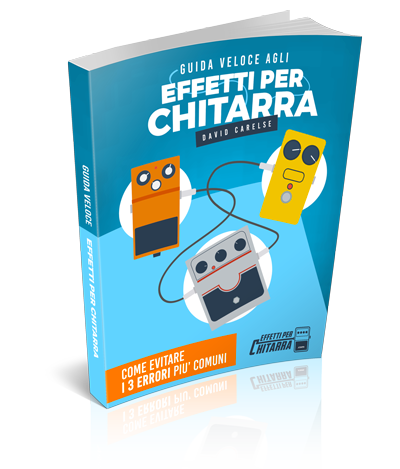
Fai anche tu i 3 errori più comuni con gli effetti per chitarra? Clicca qui per scoprirlo leggendo l’Ebook gratuito.

poker sisal — trucchi del mestiere | poker sisal

poker sisal — le domande più frequenti nel 2026

poker sisal nel 2026 si presenta come un’arena in cui psicologia e matematica si fondono in modo sempre più sofisticato. I professionisti ormai studiano ogni dettaglio, e poker sisal torneo diventa il banco di prova per distinguere i campioni dagli improvvisati, soprattutto quando il mazzo inizia a girare in modo imprevedibile.

Vedi anche:

Guida introduttiva a poker sisal online per nuovi giocatori

Adattabilità è la capacità di un sistema, di un organismo o di un’organizzazione di modificare le proprie strutture, i propri processi o i propri comportamenti in risposta a variazioni delle condizioni ambientali, interne o esterne, mantenendo o migliorando la propria funzionalità, efficacia e resilienza. Questa proprietà non è un semplice aggiustamento passivo, ma un processo attivo e dinamico che coinvolge l’analisi dei segnali, la selezione di strategie alternative e l’implementazione di cambiamenti, spesso in tempo reale. Nel contesto biologico, l’adattabilità si manifesta attraverso meccanismi evolutivi come la selezione naturale, che favorisce gli individui con tratti genetici più adatti a un ambiente mutevole, ma anche attraverso plasticità fenotipica, che consente a un singolo genotipo di produrre diversi fenotipi in risposta a condizioni specifiche, come la variazione della temperatura o della disponibilità di nutrienti. Ad esempio, alcune piante modificano la morfologia delle foglie in base all’irraggiamento solare, aumentando la superficie fogliare in ombra per massimizzare la fotosintesi, o riducendola in pieno sole per diminuire la traspirazione. Negli animali, l’adattabilità comportamentale è evidente nella capacità di apprendere nuovi comportamenti, come l’uso di strumenti nei corvidi o la migrazione stagionale in risposta a cambiamenti climatici o disponibilità di cibo. A livello ecologico, gli ecosistemi mostrano adattabilità attraverso successioni ecologiche, dove le comunità di specie cambiano nel tempo dopo un disturbo, come un incendio o un’alluvione, ripristinando gradualmente l’equilibrio. In campo tecnologico, l’adattabilità è fondamentale per i sistemi informatici: gli algoritmi di machine learning, per esempio, modificano i propri parametri interni in base ai dati di addestramento, migliorando la precisione delle previsioni su nuovi input. I sistemi di controllo adattivo, utilizzati in ingegneria aerospaziale, regolano i parametri di volo in tempo reale per compensare variazioni di peso, vento o guasti parziali, garantendo stabilità e sicurezza. Anche le reti neurali artificiali mostrano adattabilità attraverso l’aggiustamento dei pesi sinaptici durante l’apprendimento, consentendo di riconoscere pattern complessi in immagini, suoni o testi. Nel mondo organizzativo, l’adattabilità aziendale è la chiave per sopravvivere in mercati volatili: le imprese che riescono a ristrutturare rapidamente la propria catena di fornitura, a modificare i prodotti in base alle preferenze dei consumatori o a adottare nuove tecnologie hanno maggiori probabilità di mantenere un vantaggio competitivo. Un esempio concreto è la transizione di molte aziende verso modelli di lavoro ibrido dopo la pandemia di COVID-19, che ha richiesto l’implementazione di infrastrutture digitali, la ridefinizione delle politiche HR e la formazione dei dipendenti su nuove competenze. L’adattabilità individuale, invece, si riferisce alla capacità di una persona di gestire lo stress, di apprendere nuove abilità e di modificare le proprie aspettative di fronte a cambiamenti di vita, come un trasferimento, un cambio di carriera o una perdita. Questa qualità è spesso associata a tratti psicologici come la flessibilità cognitiva, l’apertura all’esperienza e la regolazione emotiva. In psicologia, l’adattabilità è studiata attraverso il concetto di coping, che comprende strategie di gestione delle difficoltà, sia focalizzate sul problema (modificare la situazione) sia sulle emozioni (modificare la propria reazione). Un altro aspetto è l’adattabilità sociale, che riguarda la capacità di un individuo di integrarsi in nuovi contesti culturali, comprendendo norme, valori e linguaggi differenti, come nel caso di immigrati che imparano una nuova lingua e adottano usanze locali per costruire relazioni. Sul piano evolutivo, l’adattabilità è il motore della biodiversità: specie che non riescono ad adattarsi a cambiamenti rapidi rischiano l’estinzione, come dimostra il declino degli anfibi a causa di funghi patogeni e cambiamenti climatici, mentre altre, come i ratti o i piccioni, prosperano in ambienti urbani grazie a comportamenti flessibili. In ingegneria, i sistemi adattativi possono essere progettati con retroazione negativa, come i termostati che regolano la temperatura, o con algoritmi predittivi, come i sistemi di raccomandazione di Netflix che si adattano alle preferenze dell’utente. La teoria dei sistemi adattivi complessi, come il clima terrestre o il cervello umano, enfatizza l’emergenza di proprietà globali da interazioni locali, dove l’adattabilità emerge senza un controllo centrale. Nel campo medico, l’adattabilità del sistema immunitario è straordinaria: i linfociti B producono anticorpi specifici per milioni di antigeni diversi, e la memoria immunologica consente risposte più rapide a infezioni successive, come nel caso dei vaccini. Anche il sistema nervoso mostra neuroplasticità, permettendo di riorganizzare le connessioni sinaptiche dopo lesioni cerebrali, come nell’ictus, dove altre aree possono assumere funzioni compromesse. In ambito educativo, l’adattabilità è cruciale per l’apprendimento personalizzato: i programmi didattici che si adattano al ritmo e allo stile di apprendimento di ogni studente, usando piattaforme digitali, migliorano i risultati. Ad esempio, software come Khan Academy utilizza dati di performance per proporre esercizi di difficoltà adeguata, colmando le lacune. Sul piano urbanistico, le città adattive implementano soluzioni per mitigare gli effetti del cambiamento climatico, come parchi che assorbono l’acqua piovana o facciate verdi che riducono l’effetto isola di calore, dimostrando come la pianificazione possa rispondere a sfide emergenti. L’adattabilità è anche un principio fondamentale nel design di prodotti: i dispositivi modulari, come gli smartphone con componenti sostituibili, consentono agli utenti di aggiornare funzionalità senza dover acquistare un nuovo modello, riducendo i rifiuti elettronici. In conclusione, l’adattabilità è una proprietà universale che attraversa tutti i livelli di organizzazione, dal gene all’ecosistema, dalla singola cellula alla società globale.

slot con puntata minima 1 centesimo 2026 — slot con min puntata 1 cent

Un’introduzione a poker sisal torneo

play money, also known as toy money or pretend currency, is a fascinating cultural artifact that serves multiple purposes across various domains, from childhood education to theatrical production, from board game mechanics to psychological experimentation. At its most fundamental level, play money is a tangible representation of value that exists outside the realm of legal tender, yet it carries immense significance in shaping human behavior, cognition, and social interaction. The concept of play money is not monolithic; it encompasses a diverse array of forms, including paper bills, plastic coins, digital credits, and even imaginary units in role-playing games. Each iteration of play money is designed to mimic the properties of real currency—denominations, colors, sizes, and even security features—but with deliberate distinctions that signal its non-legal status, such as the word ‘SPECIMEN’ printed across the face or the use of cartoonish imagery. The history of play money is as rich as it is overlooked, tracing back to ancient civilizations where children played with clay tokens and shells, to the mass-produced play money that accompanied the rise of board games in the early 20th century, to the sophisticated virtual currencies in modern video games and online simulations. One of the most prominent uses of play money is in early childhood education, where it serves as a pedagogical tool to teach numeracy, basic arithmetic, and the concept of exchange. In classrooms around the world, teachers distribute play money to students to simulate shopping scenarios, enabling children to practice addition and subtraction in a tangible, engaging manner. These activities not only reinforce mathematical skills but also introduce economic principles such as scarcity, budgeting, and the value of goods and services. For instance, a teacher might set up a mock store with priced items, and students must use their play money to make purchases, calculate change, and manage their remaining funds. This hands-on approach has been shown to improve financial literacy from a young age, laying the groundwork for responsible money management in adulthood. Beyond the classroom, play money is integral to the board game industry, where it functions as a game mechanic that drives competition and strategy. Monopoly, arguably the most famous board game in the world, uses play money in denominations ranging from $1 to $500, with each player starting with a set amount and earning more by passing ‘Go’ or collecting rent. The tactile sensation of handling play money, the sound of bills being counted, and the visual representation of wealth accumulation contribute to the immersive experience of the game. Moreover, the use of play money in games like Monopoly has been studied by economists and psychologists to understand negotiation tactics, risk tolerance, and the psychology of wealth. In role-playing games such as Dungeons & Dragons, play money takes on a more fantastical form, with gold pieces, silver pieces, and copper pieces serving as the primary currency within a fictional world. These currencies are not merely arbitrary numbers; they are tied to the game’s economy, influencing character progression, equipment acquisition, and even quest outcomes. The abstract nature of these currencies allows players to engage with complex economic systems without the constraints of real-world value, fostering creativity and strategic thinking. Another significant application of play money is in psychological and behavioral research, where it is used as a proxy for real money in experiments designed to study decision-making, risk aversion, and social preferences. In such studies, participants are often given a certain amount of play money and asked to make choices that have consequences within the experimental framework. The use of play money allows researchers to control variables and create controlled environments without the ethical and financial complications of using real currency. For example, in the ultimatum game, a participant is given a sum of play money and must propose a split with another participant, who can either accept or reject the offer. The decisions made in these games reveal insights into fairness, altruism, and strategic behavior. Furthermore, play money is a staple in theatrical and film productions, where it serves as a prop to create realistic scenes involving financial transactions. Props masters meticulously craft play money to look authentic on camera, using high-quality printing techniques and sometimes even incorporating subtle inaccuracies to avoid counterfeiting laws. The attention to detail in prop money is crucial, as audiences are quick to notice discrepancies that could break the illusion of a scene. In addition to these practical uses, play money has a symbolic and cultural significance that extends beyond its function. It represents the idea of value as a social construct, reminding us that money itself is a shared fiction that we collectively agree to believe in. The existence of play money highlights the arbitrary nature of currency and the importance of trust in economic systems. Philosophers and sociologists have pondered the implications of play money, suggesting that it reveals how humans are wired to assign value to objects and to engage in exchange, even in the absence of real economic stakes.

ruota dei bonus — promozioni settimanali | ruota dei bonus

I giocatori esperti di poker sisal sanno come sfruttare le promozioni.

Bonus e Promozioni Poker di poker sisal

  • 75% fino a €250
  • 50 giri gratis senza deposito
  • 50x rigioco obbligatorio
  • 25x requisito di gioco

Inizia subito con poker sisal online

Scegli poker sisal come sala da poker e crea il tuo account personale.

Effettua il tuo primo deposito utilizzando uno dei metodi di pagamento disponibili (€25).

Verifica la tua identità e completa la procedura di registrazione per sbloccare tutte le funzionalità.

Scarica il software di poker o utilizza la versione istantanea del browser.

Partecipa a un tavolo da poker cash game o a un torneo per iniziare a giocare.

Approfitta del bonus di benvenuto offerto da poker sisal per aumentare il tuo bankroll iniziale.

Guida FAQ: poker sisal live spiegato in dettaglio

Quali tornei di poker offre poker sisal?

poker sisal propone una vasta gamma di tornei di poker, inclusi eventi daily, weekly e special series con montepremi garantiti.

1€ bonus bingo sisal — promozioni settimanali | sisal casino

Quali varianti di poker sono disponibili su poker sisal?

Sono disponibili le principali varianti come Texas Hold’em, Omaha, e Seven-Card Stud, sia in modalità cash game che torneo.

extra chilli slot — offerte imperdibili | extra chilli slot

È possibile giocare a poker su dispositivo mobile con poker sisal?

Sì, poker sisal offre un’app mobile dedicata e un sito responsive, permettendo di giocare comodamente da smartphone e tablet.

Quali metodi di pagamento accetta poker sisal per il poker?

poker sisal supporta vari metodi di pagamento sicuri, tra cui carte di credito, portafogli elettronici e bonifici bancari, per depositi e prelievi rapidi.

casinò crypto 2026 — confronto piattaforme

Come posso ottenere il bonus di benvenuto per il poker su poker sisal?

Per ottenere il bonus di benvenuto, è necessario registrarsi su poker sisal, effettuare un primo deposito minimo di €25 e soddisfare i requisiti di 50x giocata entro 21 giorni associati.

Verifica dell’età e controlli su poker sisal

Il gioco d’azzardo è vietato ai minori di 18 anni. poker sisal opera sotto la licenza dell’ADM (Agenzia delle Dogane e dei Monopoli), che garantisce un ambiente sicuro e regolamentato. Per chi desidera tutelarsi, è disponibile il Registro Unico degli Autoesclusi (RUA), che consente di escludersi da tutte le piattaforme legali. Se il gioco diventa un problema, contatta il Telefono Verde Nazionale per i problemi legati al Gioco d’Azzardo al numero 800 558822. Ti invitiamo a impostare limiti di deposito e di tempo, e a giocare solo per divertimento, mai per recuperare perdite.

gold casino 2026 — tutto quello che serve

Informazioni sull’autore: . Elena è una veterana del poker online con 10 anni di esperienza. Recensisce principalmente piattaforme di poker e tornei, analizzando strategie e bonus per i giocatori italiani.


Ti è piaciuto l'articolo? Clicca qui per ricevere i prossimi aggiornamenti su lezioni, tutorial e articoli direttamente sul tuo smartphone (con il nostro canale Telegram di Chitarra Facile).

Vuoi imparare a suonare la chitarra da zero? Scopri le lezioni di chitarra più facili ed efficaci con il corso in 4 lezioni per imparare le basi della chitarra e la tua prima canzone in 1 ora! Clicca qui.

corso chitarra gratis

Corso di Chitarra per Adulti: Scopri il primo corso di chitarra al mondo creato su misura per un adulto. Clicca qui.

Lezioni Avanzate di Home Recording: Scopri i migliori trucchi da NERD per registrare in casa con risultati professionali Clicca qui.

PODCAST! Ascolta il podcast sulla Chitarra ed i Chitarristi più ascoltato in Italia: Clicca qui.

Fai anche tu i 3 errori più comuni con gli effetti per chitarra? Clicca qui per scoprirlo leggendo l’Ebook gratuito.